Logistics and supply chain training teaches people how to move goods from point A to point B, and every stop in between. It’s about how raw materials get turned into products, stored in warehouses, and shipped out to customers.
It also covers how to manage inventory, work with suppliers, track shipments, and streamline the entire process. Whether you’re new to the industry or deep into operations, this training builds critical knowledge that keeps supply chains efficient and cost-effective.
At Tri-Link FTZ, with over 35 years of experience in 3PL and foreign trade zone operations, we’ve seen how this training transforms businesses and teams alike. Simply put, logistics and supply chain training is the difference between a company that reacts to problems and one that prevents them.
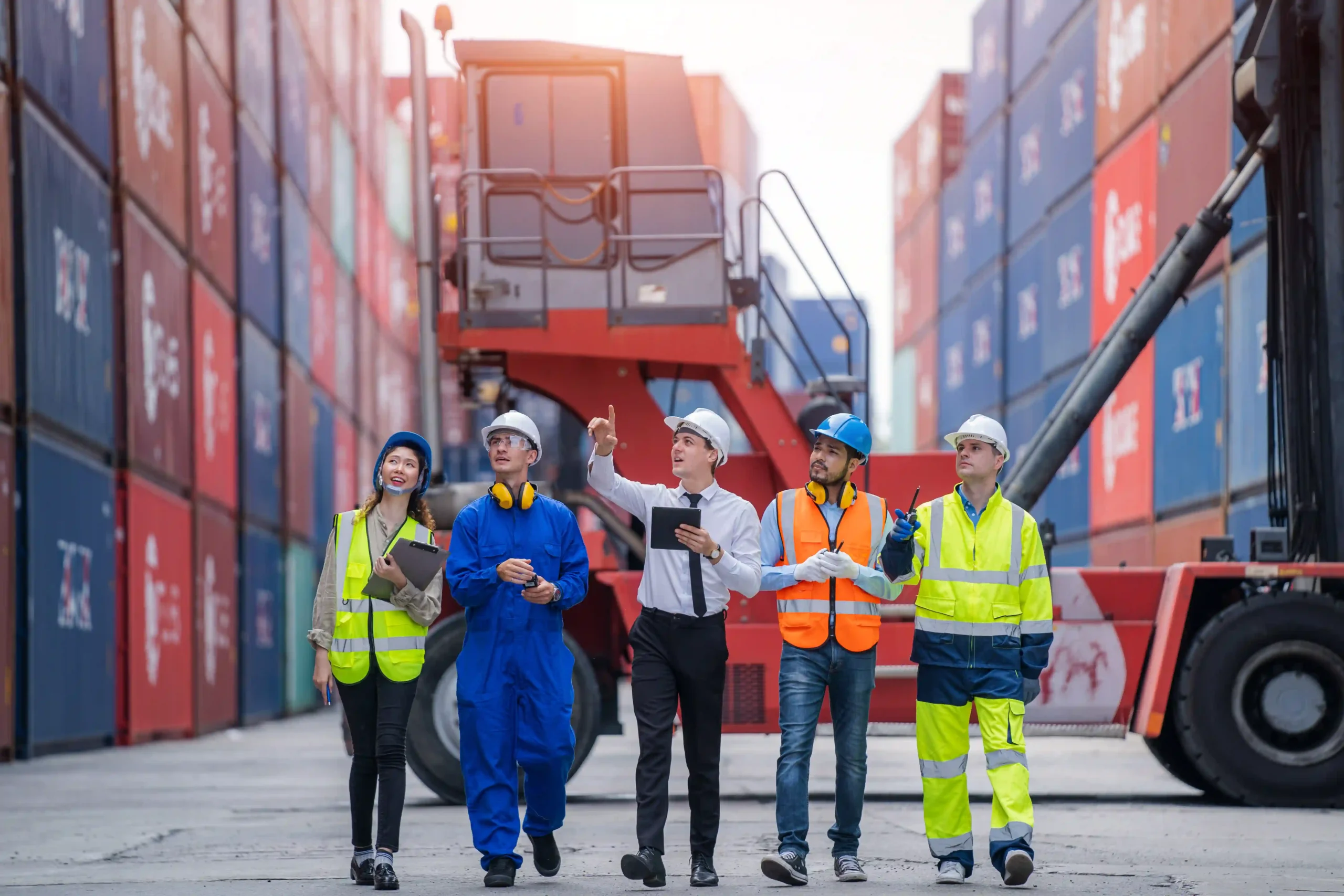
Running Tri-Link FTZ has taught me that no matter how advanced your technology is, nothing works without a well-trained team. Training in logistics and supply chain isn’t just about knowing how to load a container or run an ERP system.
It’s about understanding how decisions in one part of the supply chain affect everything else. In today’s economy, where customer expectations are sky-high and delays can cost thousands, you need people who know how to make smart, fast decisions.
One time, a client experienced a shipment delay that nearly cost them a huge contract. Once their team was trained in predictive analytics and freight routing, they turned things around—cutting delivery times by 30%.
That’s the kind of power proper logistics and supply chain training delivers. It’s not a luxury anymore—it’s a necessity.
You might think logistics and supply chain training is only for warehouse managers or logistics officers. But honestly, it’s for everyone who touches the product journey—from sales and procurement to customs brokers and FTZ compliance teams.
I’ve seen interns use their training to land promotions and senior execs refresh their knowledge to lead smarter. In our own team at Tri-Link FTZ, we’ve seen customer service staff improve dramatically after learning supply chain fundamentals—they communicate better with clients and troubleshoot issues with confidence.
Companies that train across departments see the biggest returns. When your marketing team understands your logistics, they can promise delivery timelines that are actually achievable.
When your warehouse staff knows your compliance requirements, errors go down. Training brings every part of your team onto the same page.
A good logistics and supply chain training program goes way beyond definitions and PowerPoint slides. It teaches hands-on skills you can use immediately.
This includes managing inventory using digital systems, understanding how to pick the right transport mode, designing efficient warehouse layouts, and even negotiating with vendors. At Tri-Link FTZ, we prioritize training that emphasizes real-world scenarios, such as FTZ inventory reporting, customs compliance, and cross-dock coordination.
In our experience, it’s also important to learn how to use tools like SAP, Oracle NetSuite, and other logistics software. Here’s a breakdown of some of the top skills often taught in these programs:
Skill Area | Description |
Inventory Control | Forecasting demand and balancing stock with accuracy |
Warehouse Management | Designing efficient space and labor usage |
Transportation Planning | Choosing the best routes and modes to reduce time and cost |
Supplier Coordination | Building better relationships with vendors |
Compliance Knowledge | Navigating FTZ rules, customs filings, and trade documentation |
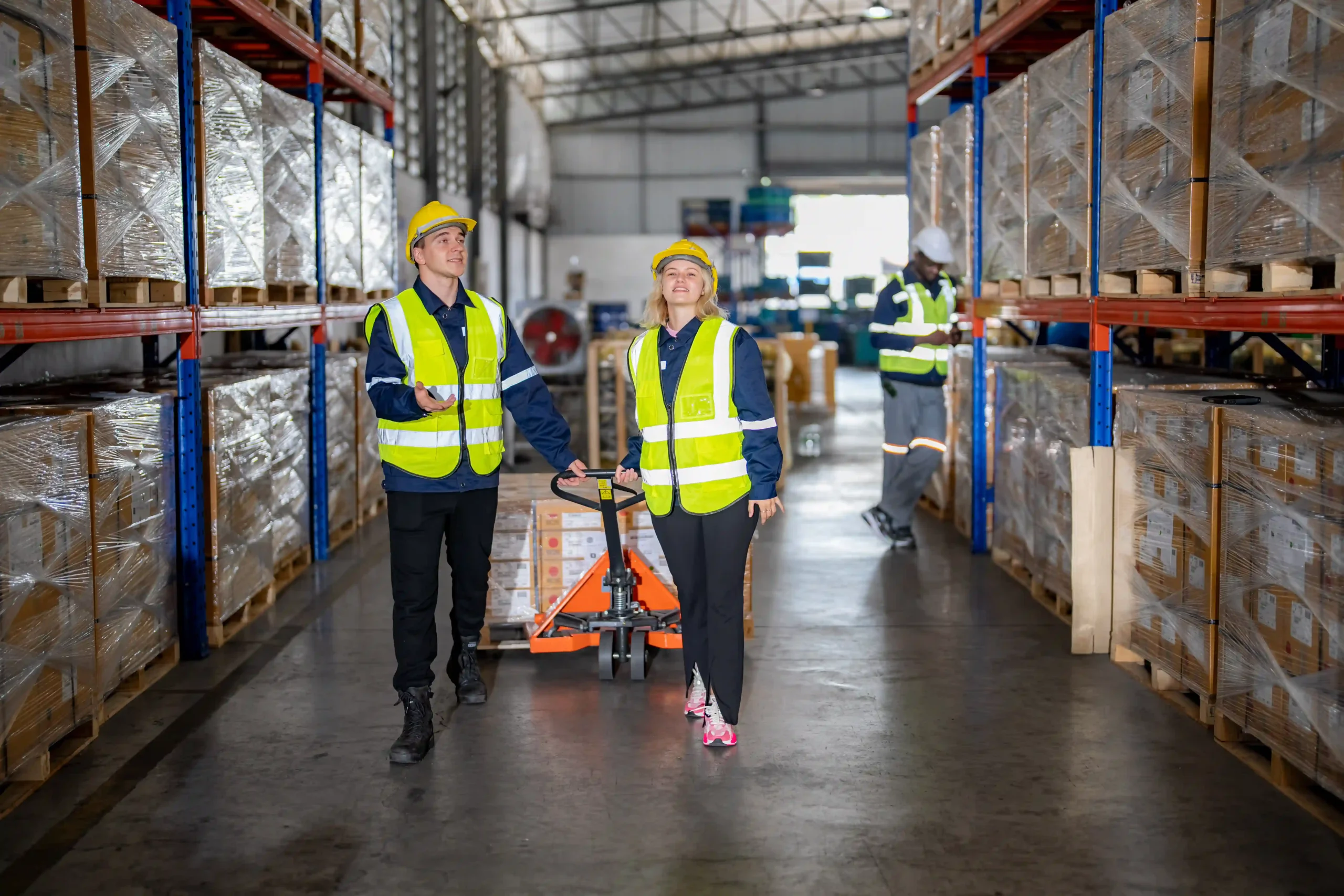
Absolutely. Certifications give your team credibility and make them more valuable to your business. Some of the best-recognized credentials in our field are APICS CPIM, CSCP, and CLTD, along with certifications from global providers like Coursera, GLOMACS, and Unichrone.
At Tri-Link FTZ, we’ve partnered with clients who specifically ask if our team is certified—it shows them we take our work seriously. I’ve personally seen operations managers land better contracts after earning their CSCP, because clients trusted their judgment more.
These certifications prove you’ve been tested and trained on best practices. In many programs, certifications include project-based assessments and Continuing Professional Education (CPE) credits.
For businesses, it’s a smart way to raise the bar across your team.
There’s no one-size-fits-all approach to training. Some of our team members at Tri-Link FTZ learn best in person, where they can ask questions and get immediate feedback.
Others prefer online courses, especially if they’re balancing a busy shift schedule or family responsibilities. In recent years, hybrid models have become very popular—combining the flexibility of online content with live Q&A and real-time problem solving.
What matters most is choosing the format that ensures the knowledge sticks. Here’s a quick comparison to help you decide:
Format | Best For | Example Benefits |
In-Person | Interactive learners, group discussions | Peer collaboration, site walkthroughs |
Online | Remote teams, flexible scheduling | Self-paced, recorded sessions |
Hybrid | Blended workforces, multi-location teams | Best of both worlds, real-time coaching |
One of the biggest moves we’ve made at Tri-Link FTZ in the past decade was to integrate logistics and supply chain training into our employee onboarding process. We no longer assume someone “just knows” how the chain works—we teach it.
From the moment a new team member joins, whether they’re in IT, operations, or compliance, they’re given a short logistics fundamentals module. For larger clients, we’ve helped roll out internal training tracks, tailored to their needs—from international routing to FTZ recordkeeping.
When companies embed training into their culture, performance metrics begin to improve. At one of our client facilities, mis-picks in the warehouse dropped by 18% after training.
Delivery times improved because dispatchers learned how to plan multi-stop routes more efficiently. Even finance teams have benefited by learning how logistics affects landed costs, helping them spot overspending before it becomes a problem.
Internal training is one of the easiest ways to boost your ROI without investing in new infrastructure or systems.
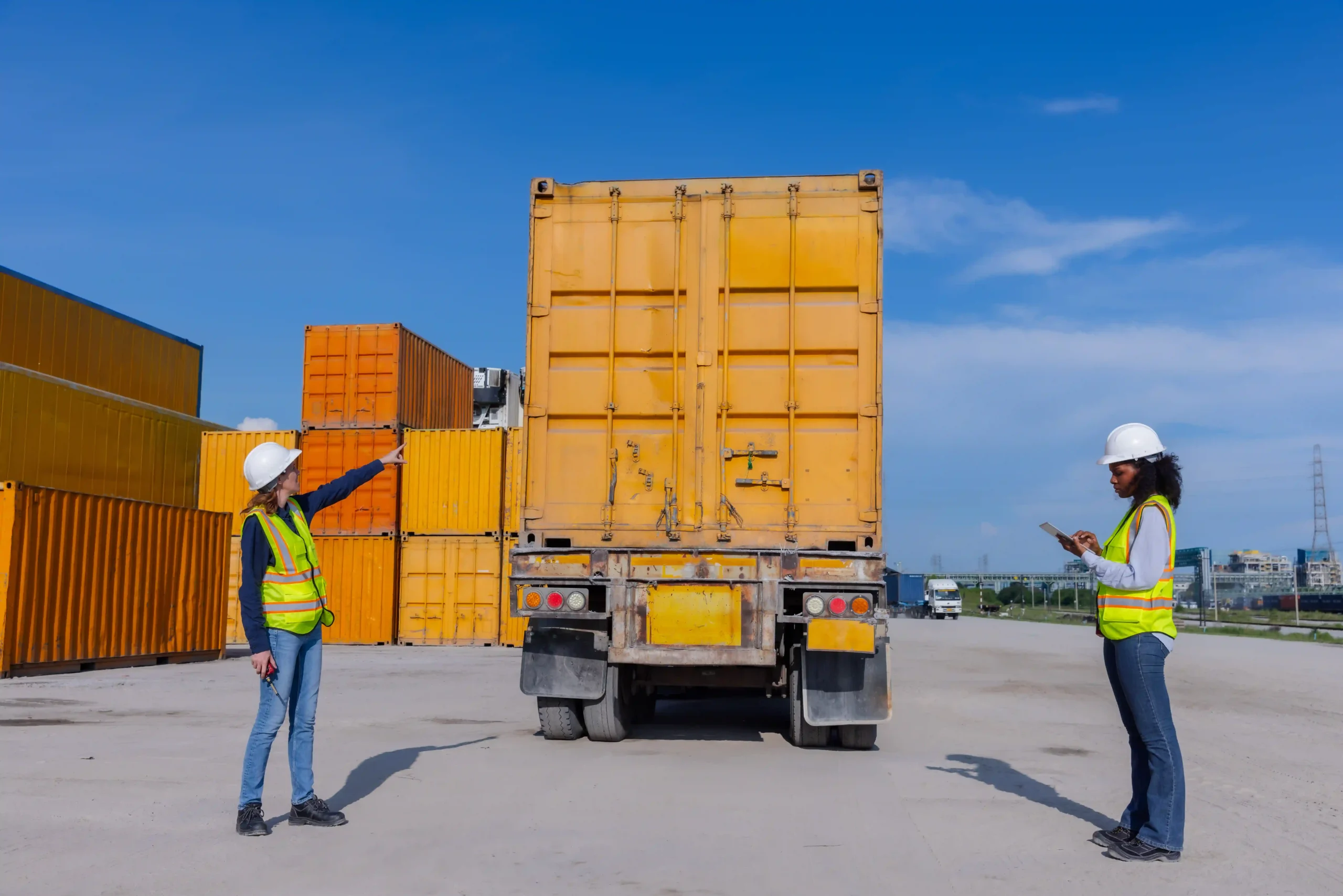
We’ve worked with many different providers over the years, and we always recommend choosing based on content quality and instructional design, not just the logo. Some of the best results we’ve seen came from Coursera’s Supply Chain Management series, particularly the Rutgers modules.
They break down advanced concepts into bite-sized, digestible lessons that actually stick. GLOMACS is another provider we’ve trusted for years—they offer executive-level training that’s great for senior leaders trying to adapt to global supply chain trends.
Unichrone, on the other hand, has helped some of our clients scale up quickly with corporate group training. They specialize in certifying entire departments at once, with flexible weekend and weekday sessions.
We always tell people: choose the program that matches your needs, but make sure it includes applied learning—not just theory. Good providers teach by example, include real-world case studies, and give you practical tools you can start using right away.
You don’t have to take my word for it. Let the numbers speak.
At Tri-Link FTZ, after implementing a continuous training program for warehouse leads, we saw a 25% reduction in dock-to-stock cycle time. Another partner of ours, a major consumer goods importer, used training to improve their order accuracy rate by nearly 20%.
These aren’t minor wins—they directly affect the bottom line. Training reduces operational errors, prevents bottlenecks, and prepares your team to respond to disruption.
When COVID hit, the companies that had invested in logistics and supply chain training adjusted their shipping models faster. They rerouted goods, adjusted supplier contracts, and shifted inventory closer to demand—all because they had the tools and skills in place.
That kind of agility doesn’t come from panic—it comes from preparation. And that preparation begins with training.
Let’s get real for a second. You don’t invest in logistics and supply chain training just to tick a box.
You do it because you have specific problems you need to solve. Maybe your last-mile delivery is inconsistent. Maybe your inventory accuracy is off.
Or maybe your team just doesn’t understand how FTZ compliance impacts shipping costs. I’ve seen training fix all of these and more.
One business partner had a recurring issue with customs clearance delays. After a few of their team members went through targeted training in trade compliance and HTS classification, clearance times improved and penalty notices dropped to zero.
Another client struggled with frequent container detention fees. With training in port logistics and carrier negotiation, their team learned how to better schedule and track container moves—saving over $80,000 in one quarter.
These are real-world problems, and training provides real-world solutions. Read more here.

Selecting the right training program is like choosing the right vehicle for a specific terrain. You wouldn’t drive a sports car through a construction site—and you shouldn’t choose a generic online course if you need FTZ-specific education.
That’s why at Tri-Link FTZ, we help our clients evaluate programs based on five simple criteria: relevance, credibility, delivery format, cost, and measurable outcomes. Relevance means the course matches your team’s current responsibilities.
Credibility ensures the content is designed by seasoned experts, preferably with industry-recognized certifications. The delivery format should match your schedule and preferred learning style.
Cost needs to make sense for your budget, especially if you’re training an entire department. And lastly, you need to be able to measure the impact—whether that’s through quizzes, KPIs, or real operational improvements.
If you hit all five criteria, chances are you’ve found a program that will move the needle. And if you’re not sure, reach out to us.
We’ve reviewed dozens of programs and are happy to point you in the right direction.
One thing I always remind our team and our clients is that logistics and supply chain training isn’t just a short-term fix. It’s a long-term investment in people.
I’ve watched entry-level workers become shift supervisors, then department managers, just by committing to learning. Certifications and training courses open doors.
They also give your team members the language and confidence to participate in strategic discussions. From a business standpoint, trained employees are more likely to stay.
They feel invested in, respected, and prepared to grow. And in a competitive job market, that can be the difference between high turnover and a stable, skilled workforce.
For individuals, training translates to better pay, faster promotions, and more job opportunities. It’s a win-win that builds careers and strengthens companies at the same time. Read more here.
Looking ahead, logistics and supply chain training is only going to become more critical. With technology evolving rapidly—from AI and robotics to blockchain and ESG tracking—today’s knowledge will need to be updated frequently.
We’re already seeing more interactive training formats, including virtual reality simulations, digital twins, and AI-powered assessment tools. At Tri-Link FTZ, we’re exploring training partnerships that go beyond traditional eLearning.
We’re looking at modular programs that allow teams to learn in 15-minute microbursts. We’re reviewing AI-backed coaching tools that give personalized feedback based on a team member’s strengths.
Training in our industry is evolving, and we’re here for it. Because here’s the truth: your supply chain is only as strong as the people who run it.
And your people are only as strong as the training they’ve been given.
Share this article