At its core, the airline industry is a massive, interconnected system that allows people and goods to move efficiently around the world. When I first started in logistics more than 35 years ago, I never imagined how essential air transport would become to our daily operations.
Today, at Tri-Link FTZ, we rely on air cargo services more than ever to keep global trade flowing on time. The airline industry includes companies that operate aircraft to provide air transport services for passengers or cargo.
While it seems straightforward, the inner workings are anything but simple. Think of it as the circulatory system of the global economy—fast, essential, and deeply connected to every corner of the world.
Commercial airlines fly set routes and carry passengers to vacation spots, business meetings, or back home. Cargo airlines transport goods ranging from medical equipment to iPhones.
Private and charter jets provide tailored experiences, and regional airlines ensure smaller towns aren’t cut off from larger cities. All of this falls under the umbrella of the airline industry description—a term that goes far beyond just boarding a plane.
In my years of coordinating air shipments across multiple FTZ zones, I’ve had the chance to interact with every type of airline out there. Each serves a unique role.
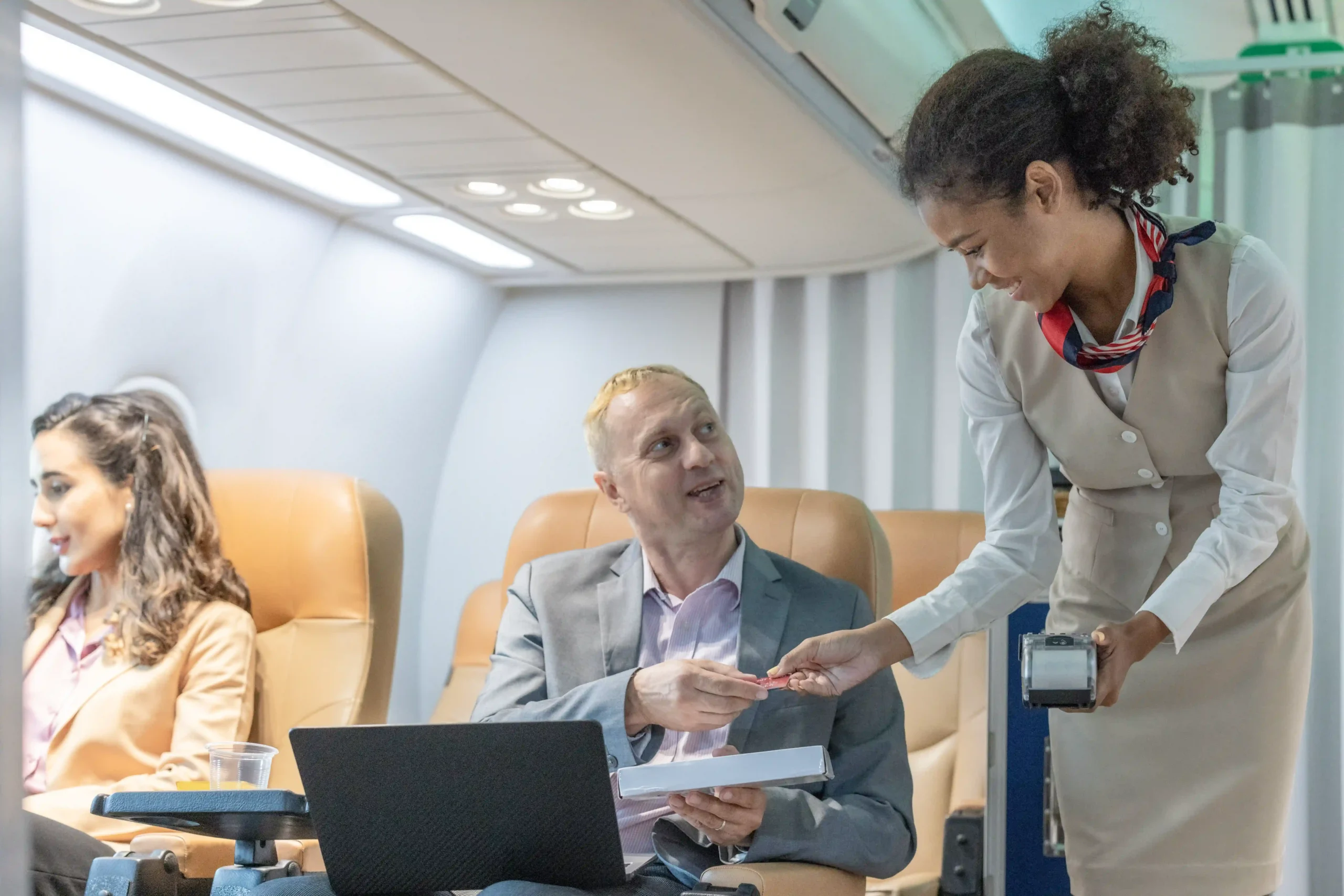
Commercial airlines are probably what come to mind first. They operate scheduled flights and serve millions of passengers daily.
Within that group, you have full-service carriers, like Delta and Emirates, offering comfort and amenities, and low-cost carriers like Southwest or Ryanair, focused on affordability.
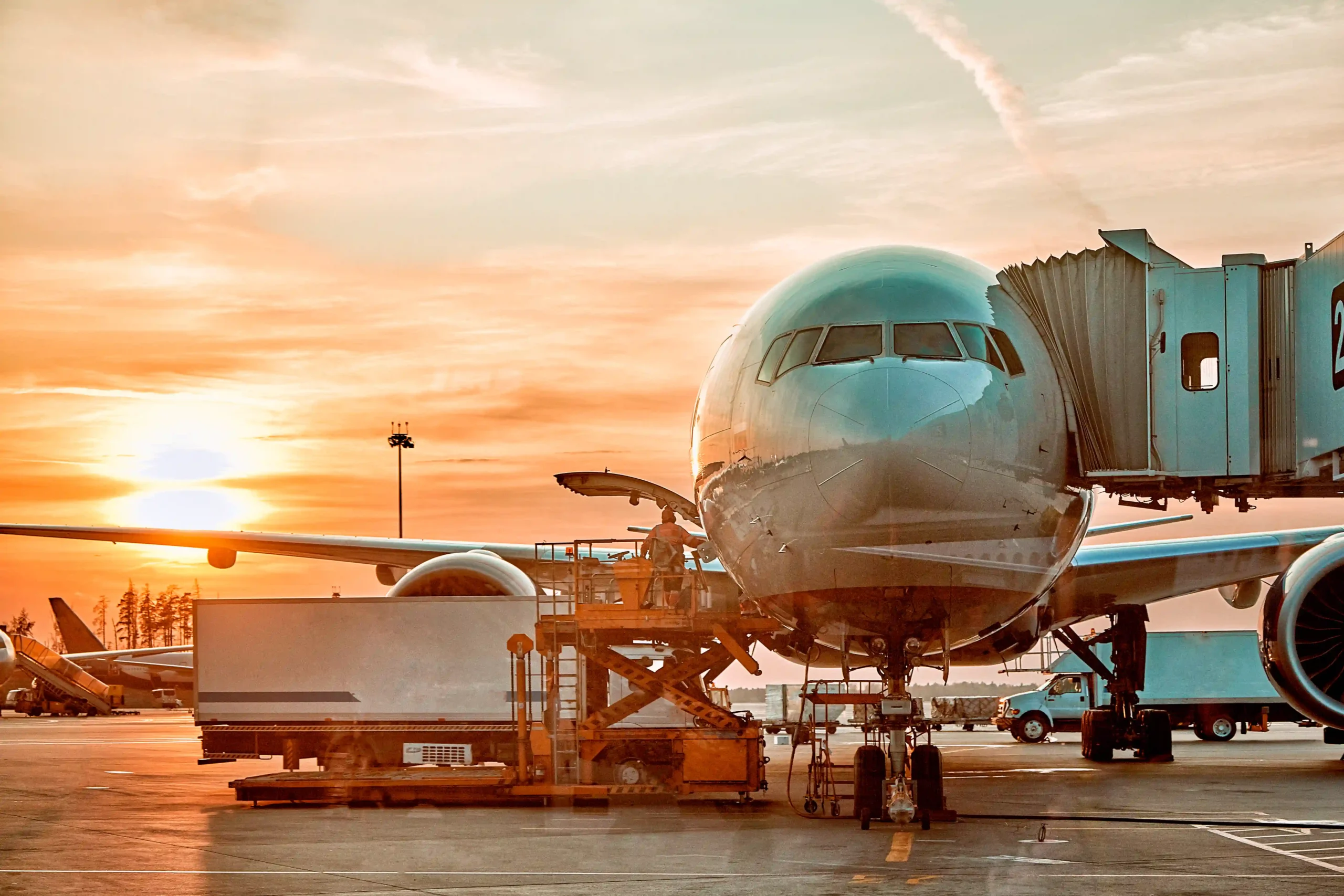
Then there are cargo airlines, which don’t carry people but instead focus on freight. Our company partners with several of these carriers to get goods from Asia to the U.S. in record time.
Charter airlines are more flexible. They’re hired for special missions—sports teams, seasonal vacations, or even emergency evacuations.
Regional airlines keep the smaller airports in business, connecting less-traveled routes to major hubs. Finally, private airlines cater to high-net-worth individuals or executive teams needing discreet, direct travel.
When you look at the full picture, it becomes clear how layered the airline industry really is. Each segment fills a gap, creating a seamless network of mobility that’s essential in both everyday life and high-stakes logistics.
The global nature of the airline industry is one of its most fascinating features. Every shipment we process through Tri-Link FTZ that goes by air is part of a larger web involving thousands of moving pieces.
Airlines don’t just operate in a vacuum. They rely on a worldwide system that includes air traffic control, government regulators, customs agencies, and international treaties.
Most major carriers use what’s called a hub-and-spoke model. That means flights are funneled through major hub airports, where passengers or cargo transfer to smaller destinations.
Others, especially low-cost carriers, use a point-to-point model, flying direct to save time and cost. At Tri-Link FTZ, we work closely with both models.
It all depends on the client’s needs and where the goods are going. International alliances, like Star Alliance or SkyTeam, allow airlines to expand their reach without owning every route.
Codeshare agreements let two airlines share the same flight—a trick that adds flexibility for both passengers and freight. When viewed from above, the airline industry isn’t just about planes.
It’s a tightly woven web of operations, logistics, technology, and international cooperation.
You might think airlines make their money mostly from ticket sales, and that’s true to a degree. But as someone who’s worked behind the scenes in logistics, I can tell you that revenue is far more diversified.
In fact, the airline industry description must include how airlines turn a profit across multiple channels. There are base fares, sure, but there are also upgrades, baggage fees, seat selections, and even snacks and Wi-Fi.
Cargo is another major revenue stream. Our FTZ clients ship everything from electronics to pharmaceuticals by air, and the fees they pay are crucial to airlines’ bottom lines.
Loyalty programs also generate big returns, often through partnerships with credit card companies and hotels. Add in third-party commissions from online travel agents and dynamic pricing tools driven by AI, and you’ve got a complex revenue engine.
It’s one reason why we often collaborate with airlines to forecast costs and align logistics strategy. They’re not just moving planes—they’re balancing margins in a highly competitive marketplace.
Airline Revenue Streams | Description |
Passenger Ticket Sales | Core revenue from flights sold |
Cargo Transport | Freight movement for goods and products |
Ancillary Services | Upgrades, baggage, meals, in-flight sales |
Loyalty Programs | Credit card and hotel partnerships |
Third-Party Commissions | Travel agents, booking platforms |
Advertising & Sponsorships | Ads on seats, screens, and onboard materials |
From a logistics standpoint, one of the toughest issues airlines face today is unpredictability. In recent years, rising fuel prices have upended cost models and thrown long-term planning into chaos.
We see this firsthand at Tri-Link FTZ when adjusting rates and advising clients on optimal air routes. Fuel is a huge operational cost, and any fluctuations impact both passenger tickets and cargo pricing.
Another major hurdle is the talent shortage. Pilots, air traffic controllers, and maintenance technicians are in short supply.
This affects schedules, delays flights, and increases operational stress. Environmental concerns also play a big role now.
There’s increasing pressure to reduce carbon emissions and adopt greener practices. Airlines are being pushed to find sustainable solutions, including biofuels and more efficient engines.
Security threats, regulatory changes, and even geopolitical instability like airspace closures all create ongoing risk. And let’s not forget the aftershock of the pandemic—it permanently shifted travel behavior, from business travel reductions to increased digital expectations.
These challenges don’t just affect the airlines, they ripple out across supply chains and global trade networks.
Despite the hurdles, innovation is alive and well. One trend we monitor closely at Tri-Link FTZ is the push for sustainability.
Airlines are investing in SAF (Sustainable Aviation Fuel) and exploring electric or hybrid aircraft. These technologies are still in early stages, but they’re gaining ground fast.
Digital transformation is another huge area of growth. Biometric boarding, AI-based scheduling, and app-driven check-ins are already making air travel faster and more efficient.
We’ve also seen increased focus on personalized passenger experiences, with dynamic pricing and customizable seat upgrades. Cargo tech is growing rapidly too.
From temperature-controlled shipping for pharmaceuticals to smart tracking sensors, freight is getting smarter. Meanwhile, low-cost carriers continue to disrupt markets, forcing legacy airlines to adapt pricing and service models.
The airline industry description today has to include these changes—they’re shaping how the entire sector evolves. Read more here.
As a 3PL operator within FTZs, I’ve always worked closely with both domestic and international regulatory bodies. The airline industry is governed by a web of oversight organizations that set safety, operational, and financial standards.
At the top is ICAO (International Civil Aviation Organization), which creates global policy frameworks. Then there’s IATA (International Air Transport Association), representing the airline companies and offering best practices and coordination.
In the U.S., we work closely with the FAA (Federal Aviation Administration), which regulates safety, pilot licensing, and aircraft certification. Europe has its own regulators like EASA (European Union Aviation Safety Agency).
Each of these bodies works to ensure that flights are safe, efficient, and in compliance with international laws. Security screening, customs rules, and bilateral air service agreements all fall under regulatory frameworks.
Airlines must also comply with emissions reporting standards, trade laws, and import/export controls when moving cargo. These regulations protect passengers and goods, and they also shape how we—as a logistics provider—build services that are fast, compliant, and reliable.

The airline industry is more than a way to get from point A to point B—it’s a critical driver of economic activity. At Tri-Link FTZ, we regularly see how air cargo supports industries like tech, healthcare, fashion, and agriculture.
Goods that need speed or high value per weight—like semiconductors or fresh produce—rely on air shipping to reach markets in time. Tourism is another giant benefactor.
When airlines increase access to a region, they boost local spending, create jobs, and attract investment. The same goes for business travel, which helps form international partnerships and opens trade routes.
Airlines also create millions of jobs themselves, not just for pilots and crew but for airport workers, engineers, IT staff, and hospitality teams. Moreover, airlines push infrastructure development.
Airports expand, roads improve, and entire cities often develop around aviation hubs. It’s one reason many governments invest in national carriers or subsidize regional routes.
Without airlines, modern global commerce would stall.
It’s incredible to think the first commercial flight was just over a century ago, in 1914. Since then, we’ve gone from open-cockpit biplanes to double-decked Airbus A380s. The post-WWII era marked a boom in commercial aviation, and deregulation in the 1970s brought price competition and low-cost carriers into the mix.
The 2000s introduced online booking and self-check-ins, simplifying the passenger experience. After 9/11, security protocols changed dramatically.
And post-COVID, the industry had to reimagine hygiene, flexibility, and digital infrastructure. Air cargo, too, has transformed.
From paper manifests to real-time digital tracking, logistics in the air has become smarter and more secure. At Tri-Link FTZ, we’ve evolved alongside these developments, building advanced fulfillment systems and customs processes that match aviation’s fast pace.
Looking ahead, the skies are filled with possibility. Sustainability will continue to be a central focus, with major investments in electric aircraft and hydrogen propulsion.
Airports are becoming smarter too, with automated gates, AI-powered crowd control, and better environmental controls. Urban Air Mobility (UAM) may soon make short-distance flights part of daily life, using electric VTOLs (vertical take-off and landing aircraft).
Meanwhile, advanced logistics platforms will allow freight to be routed, tracked, and delivered with greater speed and accuracy. At Tri-Link FTZ, we’re already preparing for this future—integrating advanced cargo systems, automating customs paperwork, and working with airline partners to optimize international air routes.
The airline industry description will need constant updating because it’s evolving faster than ever.
Share this article