Warehouse storage cages are secure, mesh-based enclosures used to store valuable, sensitive, or regulated inventory inside a warehouse. They’re built from steel or welded wire panels and designed to restrict access while still allowing airflow and visibility.
These cages can be freestanding, built from floor to ceiling, or customized to fit around existing pallet racking. In modern warehouses, they function as secure zones that keep operations organized while helping reduce theft and improve accountability.
At Tri-Link FTZ, we’ve used them for decades to segregate client inventory, protect high-value goods, and maintain customs compliance inside our Foreign Trade Zone.
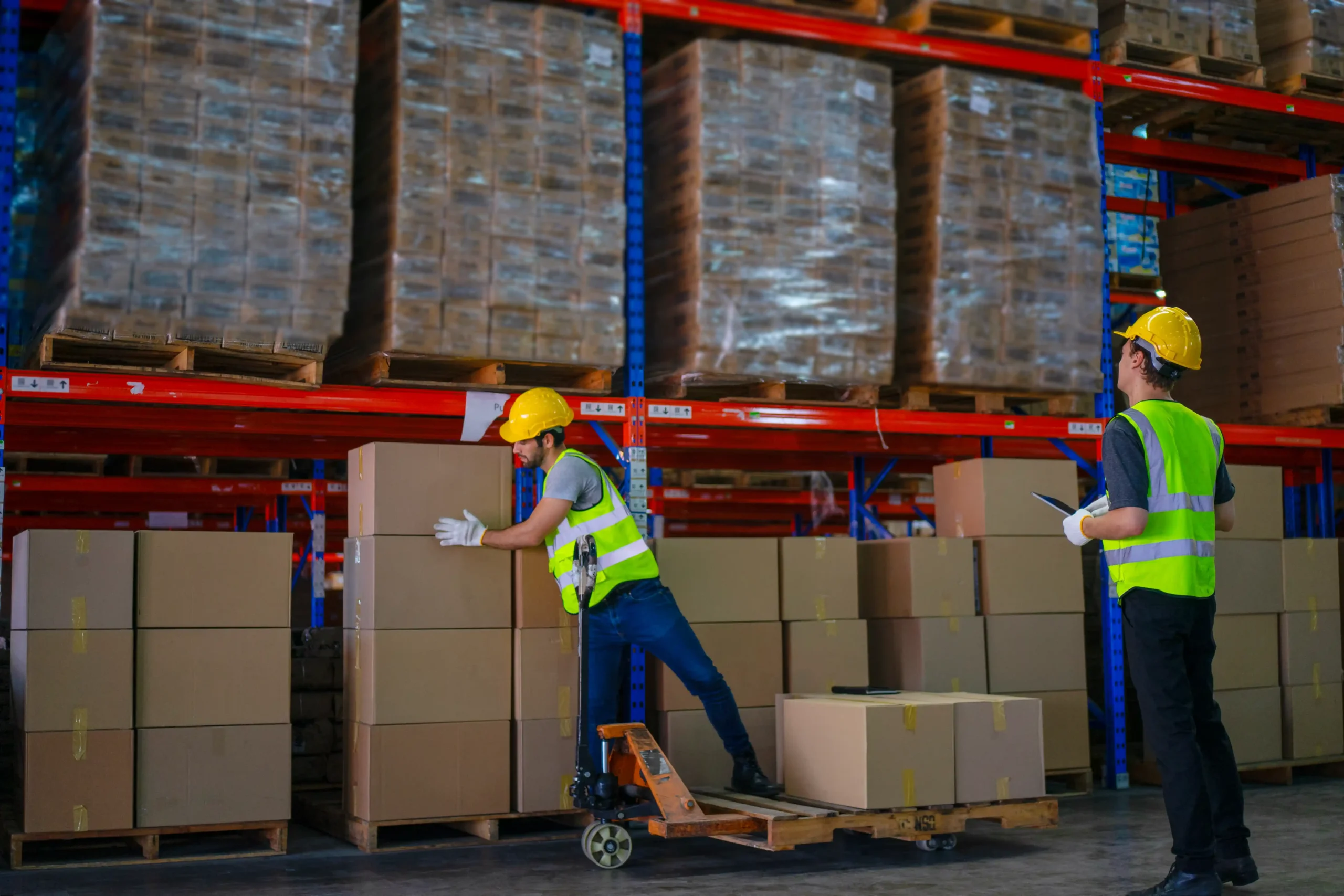
After 35 years managing logistics operations, I’ve learned that security and organization are two pillars that determine how smoothly a warehouse runs. Whenever inventory goes missing or gets damaged, the ripple effect hits every part of the supply chain, from customer satisfaction to end-of-month financials.
This is why warehouse storage cages have become essential in today’s environment. They create controlled spaces where only approved team members can enter, protecting goods from accidental damage or unauthorized handling.
Over the years, I’ve seen these cages prevent countless issues—from forklift damage to internal shrinkage—and I’ve watched clients breathe easier knowing their most valuable items are locked down. These systems solve problems that open shelving simply can’t, especially when dealing with high-value or compliance-sensitive inventory.
In many warehouses, inventory is placed wherever there’s space, which creates a perfect storm for errors and inefficiencies. When high-value items sit openly on racks, you end up exposing them to risk, especially in facilities with heavy foot traffic from temps, drivers, and vendors.
Warehouse storage cages eliminate this by creating secure zones that only trained staff can access, reducing confusion and preventing misplaced items. They also cut down on product damage, because enclosed spaces prevent goods from tipping or being struck by forklifts.
I’ve also used cages to help companies manage regulated materials, such as customs-controlled goods or quarantined returns, where traceability and restricted access are mandatory. Without these cages, even the best warehouse management system struggles to maintain true control. Read more here.
Different industries rely on warehouse storage cages for different reasons, but the core benefits remain consistent across all operations. Third-party logistics companies like ours use them to keep clients’ products separated and secure, which is especially important when dozens of brands share the same warehouse floor.
Manufacturers lean on cages to store tools, equipment, and sensitive components that can’t be left out in the open. E-commerce brands use them for high-theft-risk categories like electronics, cosmetics, and small high-value goods.
Bonded warehouses and FTZs depend on these cages for compliance, since customs requires strict segregation of duty-free and restricted products. Even retail distribution centers use cages to secure seasonal merchandise before peak season hits.
No matter the operation, the value remains the same: visibility, accountability, and security in one solution.
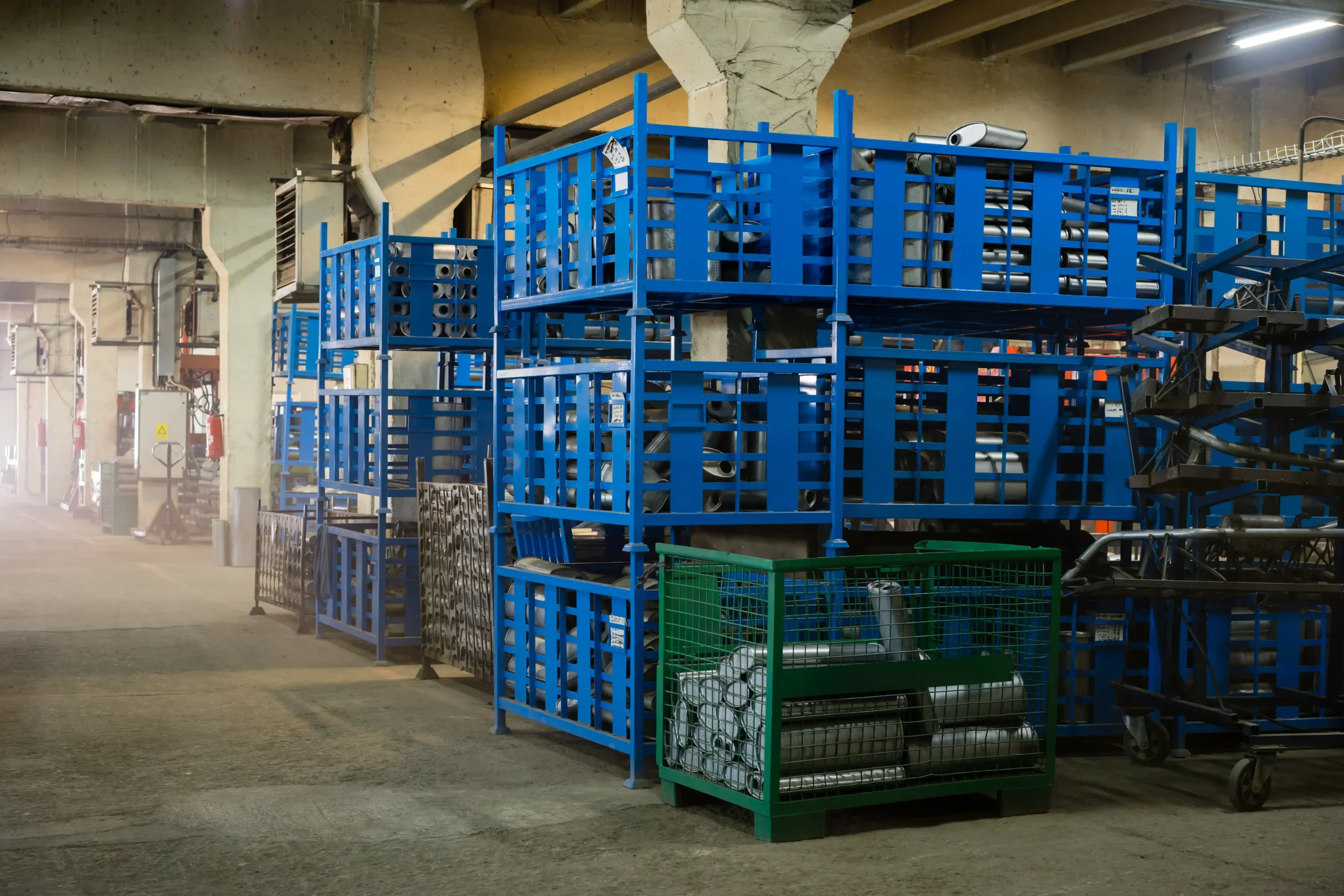
Over the years, I’ve worked with many different cage systems, and I’ve learned that each type serves a unique purpose depending on the warehouse layout and the type of inventory you’re trying to control. Traditional wire mesh security cages are the most common because they offer visibility while still creating a strong physical barrier.
These are perfect for items that need to be monitored closely without slowing down audits or cycle counts. Portable storage cages on casters are great for facilities that frequently rearrange inventory or manage seasonal surges, because they can be moved easily without disrupting daily operations.
Driver access cages provide another layer of safety by creating a secure space where visitors and delivery drivers wait without walking onto the warehouse floor. Pallet cages are useful for items that need individual pallet security, especially small high-value goods.
When a warehouse has very specific needs, modular partition systems allow us to build custom rooms, full enclosures, or restricted-access zones that support compliance or special storage requirements.
Choosing the right system starts with understanding the type of inventory you’re trying to protect and how your employees interact with it throughout the day. For example, if an item is extremely valuable or frequently handled, you need a cage with strong lock hardware and quick entry access, like a keyed or electronic lock system.
If forklifts move in and out of the area, then a wide sliding or double-door design ensures smooth traffic flow without disrupting safety. You also need to consider the height of your building and whether you require a full floor-to-ceiling enclosure for compliance reasons.
Material choice matters as well, especially in humid environments where galvanized steel prevents corrosion better than painted finishes. Finally, consider your long-term layout plan, because choosing a modular or expandable system can prevent you from having to start from scratch when your warehouse grows.
By matching the cage style to your operational demands, you avoid slowdowns and improve control over your workflow.
One of the biggest improvements I’ve seen from adding warehouse storage cages is the reduction in product damage and theft. When items are locked in a secure enclosure, employees are more mindful of how they move equipment around them, and forklifts are less likely to clip or damage merchandise.
These cages also help us enforce internal controls by ensuring only authorized individuals enter sensitive areas, which is especially important in FTZ operations where customs compliance is non-negotiable. They also create safer walk paths by separating visitors from active forklift zones, reducing the risk of accidents.
On the workflow side, cages create predictable zones where employees always know where to find specific tools, components, or high-value items. Over the years, I’ve learned that consistency is key to efficiency, and cages give you the structure needed to maintain that consistency.
The added visibility of mesh designs also helps managers and auditors verify inventory quickly without unnecessary disruption. Read more here.
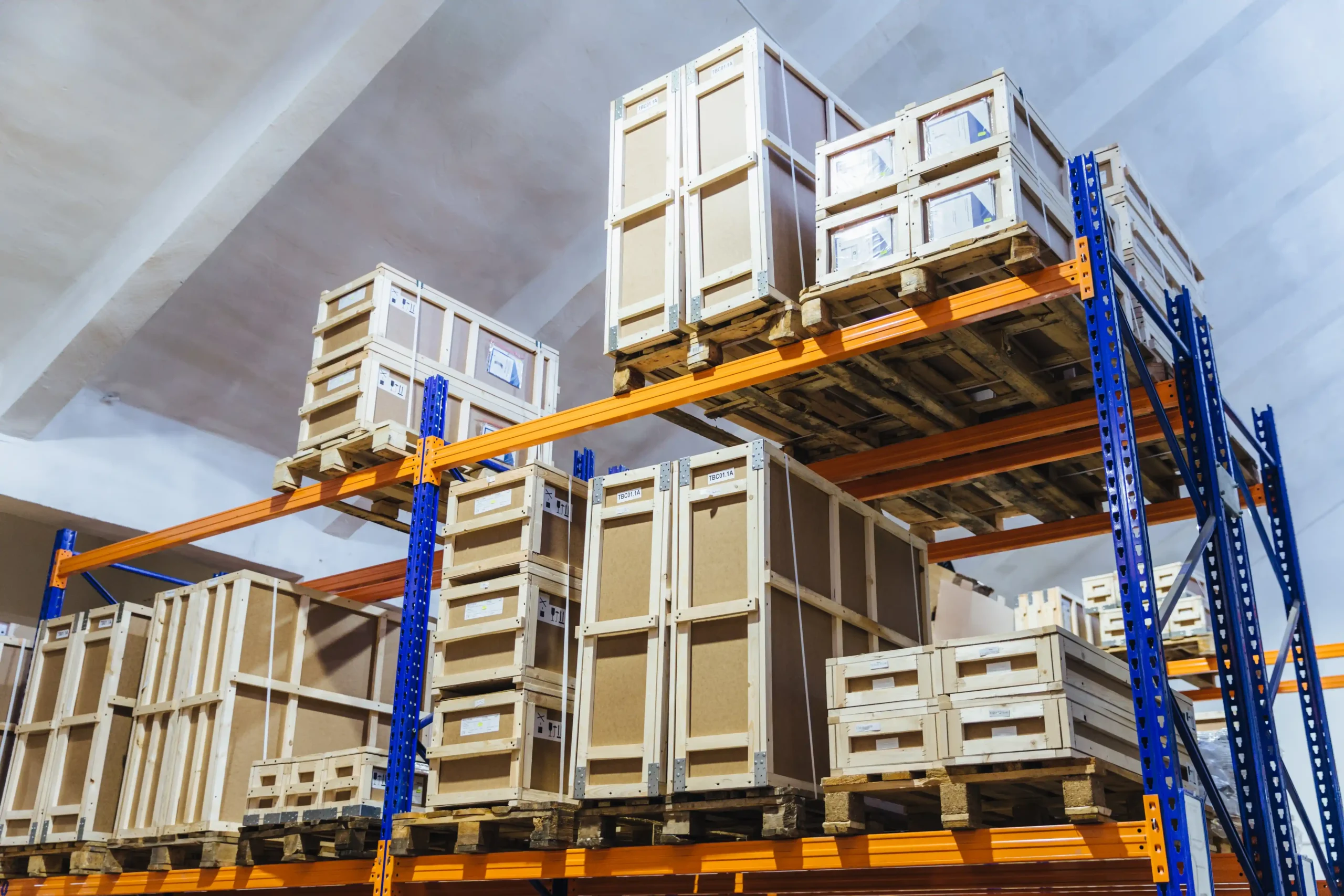
Over the years, I’ve seen companies debate whether adding secure cages is worth the investment, and the truth is that the ROI becomes obvious once you quantify what you’re protecting. Theft and product damage are two of the biggest hidden costs in a warehouse, and even a small reduction in shrinkage can save thousands of dollars per year.
Installing warehouse storage cages is often far less expensive than expanding the building, adding new racking, or hiring additional security staff. The long-term savings also come from fewer inventory errors, cleaner audits, and better control over regulated products that require strict segregation.
When we’ve installed cages for clients at Tri-Link FTZ, the improved organization alone often paid for the system within the first year because employees no longer wasted time searching for items or correcting preventable mistakes.
Cost Factor | Typical Impact | Notes |
Material Type | Higher cost for heavier-gauge steel | Longer lifespan & more durability |
Height & Size | Larger cages cost more | Floor-to-ceiling adds compliance value |
Door & Lock Style | Electronic access increases cost | Useful for audit trails |
Installation | Minor cost for simple layouts | Modular systems are easiest |
Customization | Higher cost for advanced features | Often required in FTZ or bonded areas |
This table helps highlight how pricing is shaped by operational needs, not just square footage. In my experience, companies that choose the right configuration experience greater savings than those who choose the cheapest option.
Good cages have a lifespan of more than a decade and require almost no maintenance, which makes them one of the most reliable infrastructure upgrades you can add to your warehouse.
Setting up a new cage system inside a running warehouse requires planning, and the best results come from mapping the space before any panels arrive. I always start by walking the floor and identifying which areas face the highest risk or need the most structure, such as high-theft inventory zones or sensitive storage areas in our FTZ.
Once the location is chosen, measuring door clearances, forklift lanes, and overhead heights ensures your team won’t lose valuable space or block critical pathways. After the panels are installed, it’s important to update your warehouse management system so locations inside the cages are easy to track and label.
Finally, training staff on new access procedures helps everyone understand why the cages are there and how they protect operational integrity. When these steps are followed, warehouse storage cages become a seamless part of the workflow instead of an obstacle.
After three decades in logistics, I’ve seen firsthand how the right secure storage strategy impacts the entire warehouse. Warehouse storage cages offer one of the simplest and most effective ways to prevent loss, improve organization, and enhance safety without disrupting daily operations.
They make it easier to protect valuable inventory, streamline audits, and maintain compliance in demanding environments like a Foreign Trade Zone. Most importantly, they give warehouse teams the structure they need to work confidently and efficiently every day.
When implemented thoughtfully, these cages quickly become one of the most valuable investments in your entire facility.
Share this article