When I refer to small warehouse storage ideas, I’m talking about practical strategies, tools, and layout improvements that help businesses maximize limited warehouse space without compromising safety or workflow. These ideas include using vertical storage, rethinking aisle flow, choosing the right shelving systems, reorganizing SKU locations, and incorporating technology that boosts accuracy and efficiency.
In my experience running Tri-Link FTZ, many businesses don’t actually need more square footage—they simply need better ways to use the space they already have.
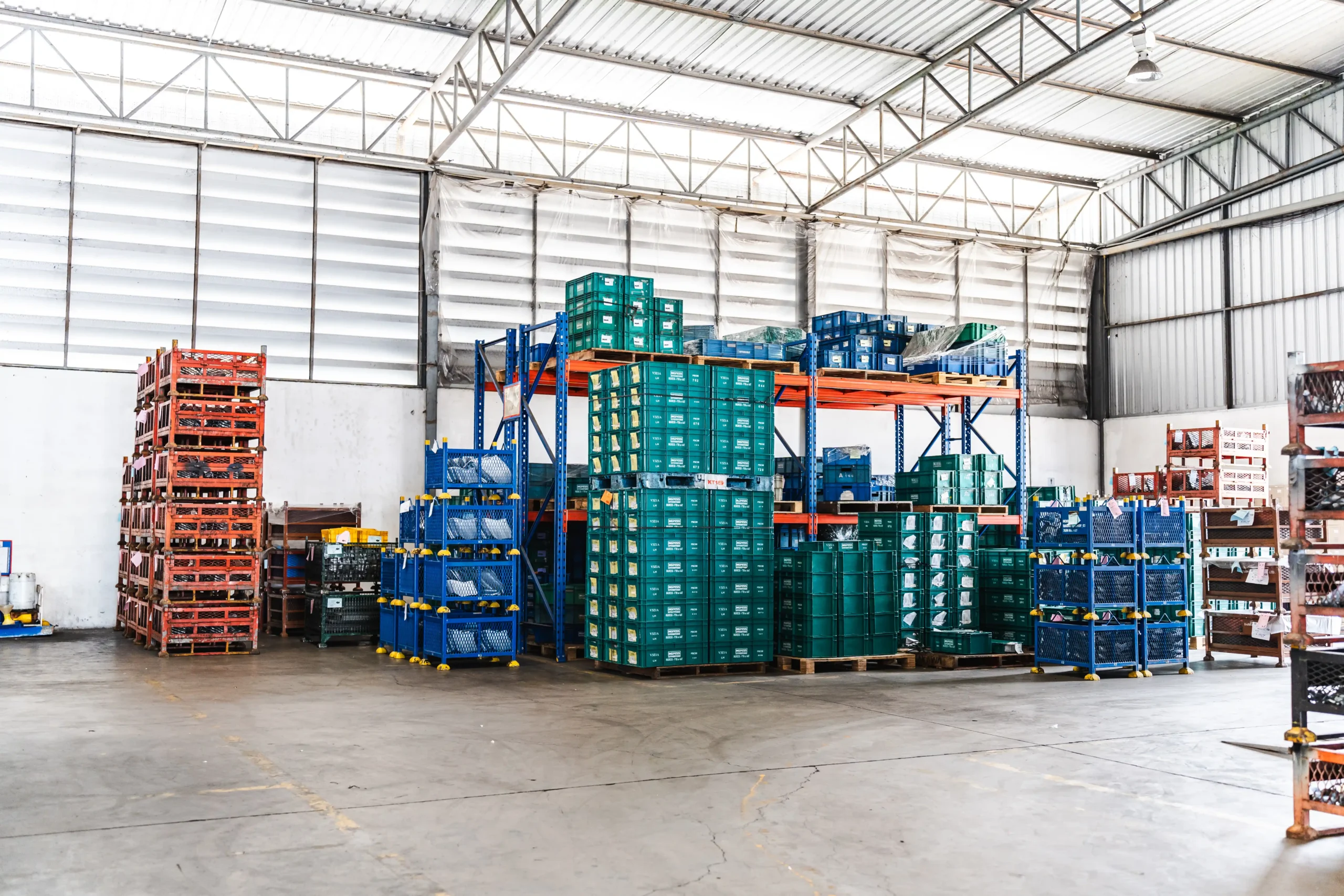
After more than three decades in the 3PL and FTZ industry, I’ve walked through hundreds of small warehouses, and the problems are almost always the same. The space feels tight, aisles fill up faster than expected, and workers constantly backtrack because products aren’t stored where they make the most sense.
Even the most capable teams struggle when the layout works against them instead of supporting the workflow. These space limitations lead to slower order processing, accuracy issues, and rising labor costs because everything takes an extra minute that shouldn’t be there.
What many operators don’t realize is that inefficiency compounds quickly—one misplaced SKU can turn a ten-minute pull into a twenty-minute search. That’s why identifying these issues early is the first step toward reclaiming both space and productivity without investing in an expansion.
One mistake I see often is designing a small warehouse like a storage unit instead of a living, moving operation. Over the years, I’ve learned that optimizing a warehouse starts with understanding how people, products, and equipment naturally flow through the building.
When we redesign a warehouse layout for a client, the first thing we study is the receiving-to-shipping pathway, because it determines how much unnecessary travel time gets baked into daily operations. Placing high-velocity items in the most accessible areas instantly improves speed, while keeping slow-movers higher or deeper in storage frees up valuable space.
Clear aisles and dedicated staging zones prevent bottlenecks, especially when multiple workers are operating in tight areas. Even small adjustments—like widening a main aisle or reorganizing the inbound staging area—can make the entire warehouse feel larger and more manageable. Read more here.
Through years of consulting with warehouse operators, I’ve learned that you don’t always need major construction or expensive equipment to unlock space. In fact, some of the most effective small warehouse storage ideas start with simply removing what doesn’t belong.
Clearing out obsolete inventory, broken pallets, or oversized packaging materials can instantly free up room and reveal how much space was unintentionally being wasted. Standardizing bins, shelves, and containers prevents awkward gaps and helps items stack more efficiently.
Relocating your fastest-moving products to low, accessible shelves also cuts down on travel time and reduces strain on the team. These small adjustments create a more intuitive environment where employees can move quickly and confidently.
Over time, these habits form the foundation of a warehouse culture built around efficiency. Read more here.

One of the biggest mistakes I see in small facilities is underutilized vertical space. Many operators focus on floor-level storage because it feels easier, but that mindset leaves a tremendous amount of capacity unused.
At Tri-Link FTZ, we often help clients install taller shelving, pallet racking, or even mezzanine platforms to expand upward instead of outward. A mezzanine alone can double usable square footage when designed correctly.
Vertical lift systems also help reclaim space by stacking items in a compact footprint while still allowing fast retrieval. Even simple additions like wall-mounted racks or high shelving for slow-moving SKUs can make a noticeable difference.
The truth is that most small warehouses have more height than they realize—they just need the right systems to access it safely and efficiently.
Choosing storage systems is more than picking shelves; it’s about matching equipment to your workflow. Over the years, I’ve seen countless warehouses struggle simply because their storage type doesn’t match their inventory profile.
Modular shelving works well for businesses with mixed SKUs that change often, while mobile shelving systems eliminate fixed aisles and significantly increase capacity for operations with limited space. Bins and totes create structure for smaller items that would otherwise get lost or spread out unevenly across shelves.
For facilities with heavier items, pallet racks provide durability and flexibility, especially when combined with adjustable levels. When storage matches the way your team picks, restocks, and processes orders, efficiency naturally improves.
One thing I’ve learned in 35 years of operating Tri-Link FTZ is that organization is the true backbone of any efficient warehouse. Even the best equipment becomes ineffective without disciplined systems behind it.
Creating a clear location format—such as zone, aisle, bay, level, and bin—ensures every item has a home and every employee knows where to look. Color-coded labels and signage make the space easier to navigate, especially in facilities with tight aisles or expanding inventories.
Just as important is grouping items in ways that support faster picking, such as placing frequently ordered products together and storing slow movers higher or deeper in the racks. Routine cycle counts help maintain accuracy, while standardized processes ensure that putaway and picking are done the same way by every team member.
When these organizational habits become part of the culture, the entire warehouse functions with a level of confidence and speed that feels effortless.
Technology is no longer optional for businesses trying to maximize a small footprint. Over the years, I’ve watched companies transform their capacity simply by implementing basic tools like barcode scanning or lightweight warehouse management software.
A WMS can automatically assign bin locations, flag slow-moving SKUs, and highlight opportunities to reclaim space. With mobile scanning devices, employees can check inventory levels or confirm picks without leaving their aisle.
Slotting reports—something we use frequently—help identify which items should move closer to the front to cut travel time. These tech-driven insights allow small warehouses to operate with the precision of much larger facilities.
When paired with structured processes and the right storage design, technology becomes the quiet engine that supports long-term efficiency.
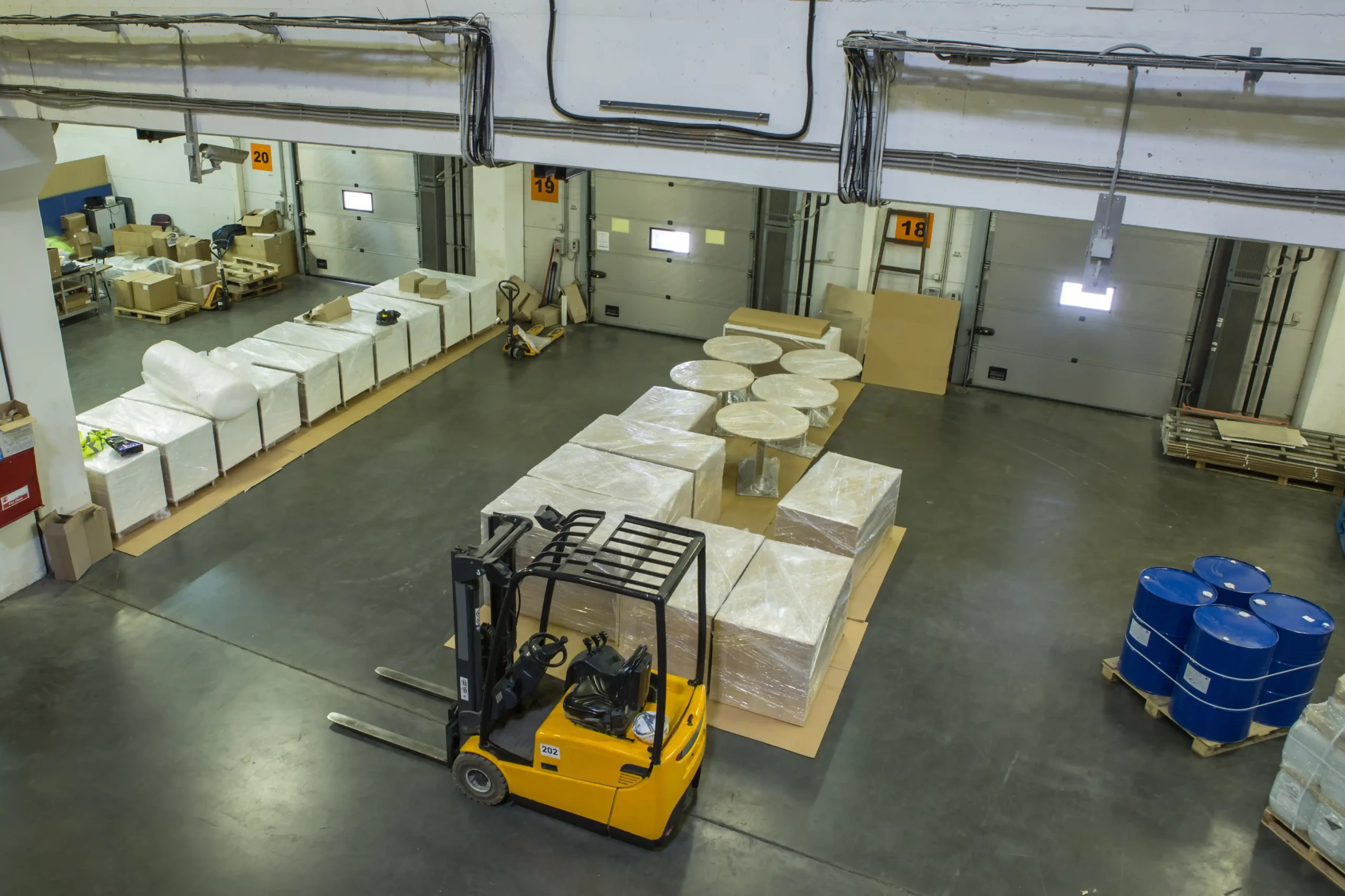
Small warehouses often feel overwhelmed not because they lack space, but because they lack systems for maintaining order. Lean principles, especially the classic 5S approach, help eliminate waste and improve daily flow.
Establishing clear reorder points prevents overstock situations that quickly swallow up shelf space. Routine slotting reviews keep the layout aligned with demand changes, so seasonal or trending items always occupy the most efficient areas.
A dedicated returns zone helps prevent product from piling up in aisles or staging areas, which is one of the fastest ways a warehouse becomes congested. By focusing on constant improvement rather than one-time fixes, operators build a space that stays efficient regardless of fluctuations in demand.
These ongoing refinements, combined with strong small warehouse storage ideas, create an operation that feels smoother and more predictable every month.
After decades of working with businesses of all sizes, I’ve learned that a small warehouse is never a disadvantage—it’s simply a challenge waiting for the right strategy. The combination of smart layout planning, vertical expansion, thoughtful organization, and technology-driven decision-making can transform even the tightest facility into a highly efficient operation.
The small warehouse storage ideas shared here represent what I’ve seen succeed repeatedly, not just in theory but on real warehouse floors. By applying these concepts systematically and continuously evaluating performance, any small warehouse can operate with the speed, accuracy, and reliability of a much larger space.
And if you ever reach the point where optimization isn’t enough, Tri-Link FTZ is here to support your growth with flexible, scalable solutions built on more than 35 years of experience.
Share this article