Short term warehouse storage refers to renting warehouse space for a brief period, often anywhere from a few weeks to a few months. In my 35 years working in third-party logistics and Foreign Trade Zones, I’ve seen companies rely on this option whenever demand becomes unpredictable or when their current facilities simply cannot keep up.
Unlike long-term agreements, this type of storage allows businesses to stay agile, adjusting their space needs with very little commitment. Many companies describe it as a “safety valve” in their supply chain because it prevents overflow and ensures shipments stay on track during busy times.
At Tri-Link FTZ, we often onboard short-term clients within 24 hours, especially when port delays or sudden inventory surges cause unexpected challenges.

Over the decades, I’ve watched businesses turn to short term warehouse storage for reasons that go far beyond just needing extra room. Seasonal peaks are one of the biggest drivers, especially for retailers and e-commerce brands that see massive inventory increases during holidays or promotional events.
Other times, companies need temporary space while transitioning to a larger facility, reorganizing their current warehouse, or testing a new product line in a different region. I’ve also seen importers use short-term storage when shipments arrive earlier than expected or when customs delays push schedules off track.
Even fast-growing startups depend on this flexibility, because committing to a long-term lease too early can restrict their growth. In every case, short-term storage becomes a strategic tool rather than simply a temporary fix.
Throughout my career, I’ve supported clients across nearly every industry, and it’s clear that some sectors depend heavily on short term warehouse storage. E-commerce companies often benefit the most because they experience unpredictable demand and must keep fulfillment fast and organized.
Retailers use short-term solutions to build inventory ahead of seasonal surges and avoid overcrowding their stores or distribution centers. Importers and exporters rely on short-term storage when managing international freight schedules, especially when shipments can’t immediately move into distribution.
Manufacturers use this kind of storage to hold raw materials or finished goods while planning large production runs. Even logistics providers and distributors sometimes need overflow space so they can continue serving customers during major spikes in volume.
In my experience managing warehousing operations, the biggest difference between short term warehouse storage and long-term warehousing comes down to commitment and predictability. Short-term storage gives companies the ability to react quickly to sudden market shifts, while long-term agreements are built around stable, ongoing needs.
When a company is confident in its order volume and inventory levels, a long-term contract can lower costs and streamline operations. But when demand fluctuates or a business is still growing into its next stage, the flexibility of short-term storage becomes incredibly valuable.
I’ve seen businesses lose efficiency because they locked themselves into long-term contracts that didn’t match their growth, and I’ve also seen companies succeed by blending both short-term and long-term strategies. The key is choosing the model that aligns with your current and future operational goals.
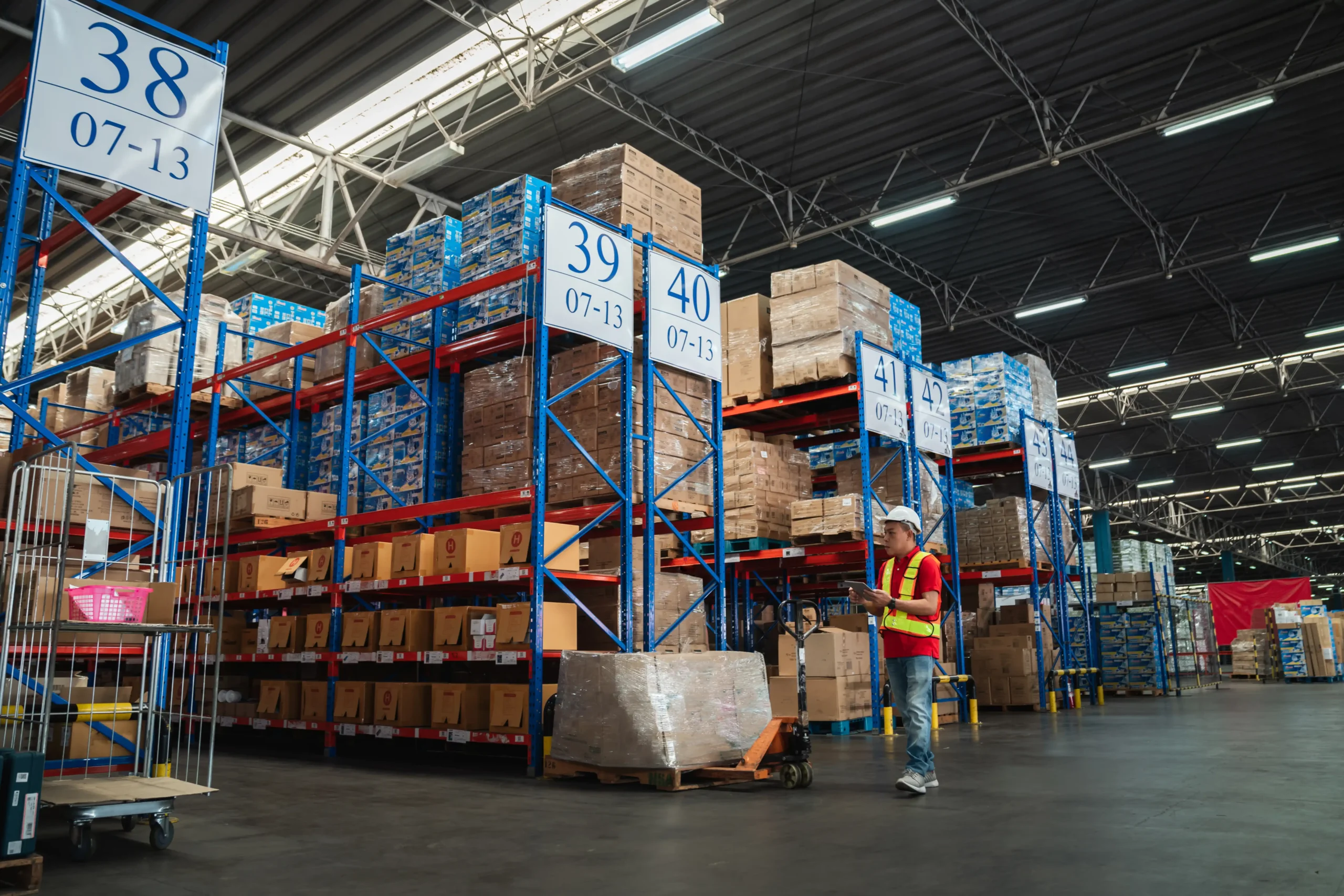
One of the first questions I hear from new clients is how short term warehouse storage pricing is calculated. The truth is that pricing can vary based on product type, handling requirements, and the amount of space needed, but most warehouses use similar models.
Some charge per pallet, especially if the inventory is palletized and easy to track. Others prefer pricing per square foot for larger items or unusual shapes that take up floor space.
There are also bin or cubic-foot structures for smaller goods or high-volume SKUs. In addition to storage rates, companies should expect handling costs, such as receiving fees, palletizing, labeling, or outbound processing.
Over the years, I’ve advised customers to look out for hidden charges like minimum monthly requirements, long dwell fees, or extra billing for after-hours services. A clear and transparent quote can help businesses estimate true costs before committing.
Pricing Model | Typical Range |
Per Pallet | $15–$25 per month |
Per Sq. Ft. | $0.40–$1.20 monthly |
Per Bin | $2–$5 per month |
Per Cubic Foot | $0.50–$0.75 per month |
These numbers vary by region, but they give companies a useful starting point when comparing providers.
After decades in this industry, I always encourage businesses to evaluate more than just price when choosing short term warehouse storage. The operational capabilities of the facility matter just as much, if not more.
A good warehouse should offer smooth receiving processes so inbound shipments don’t get delayed, especially during peak seasons. Many clients also need additional services like pick and pack, repalletizing, labeling, or returns processing.
In today’s fast-paced supply chain environment, having cross-docking or transloading options can significantly reduce handling times and keep freight moving efficiently. It’s also important to consider infrastructure—things like racking systems, forklifts, dock doors, staging areas, and climate control.
A well-equipped warehouse can prevent damage, increase accuracy, and ensure your inventory moves quickly through the supply chain. Read more here.
From my seat inside the operation, the real power of temporary arrangements is how quickly they let a business change direction. When a new sales channel takes off, we can open space, receive trailers, and start shipping within days instead of months.
When demand cools, the client can pull inventory back to their core facility and shrink their outside footprint without fighting a long lease. That ability to expand and contract keeps finance teams comfortable while still giving sales and operations room to chase growth.
I have seen companies use this breathing room to test new regions, new product lines, and even new packaging without redesigning their entire network. Read more here.
Handing your inventory to a partner is really handing over a piece of your reputation, so strong controls matter as much as square footage. In our own facilities we rely on gated yards, cameras, access controls, and a warehouse system that records each pallet move.
We share that information back through simple dashboards so our clients can answer customer questions, reconcile stock, and make decisions without waiting for a monthly spreadsheet. After thirty five years in logistics and Foreign Trade Zone operations, I have noticed that the most successful brands treat storage as a strategic tool, not an afterthought.
They ask hard questions, insist on clear data, and choose partners who can adjust with them as the market changes. That matters.
Share this article