3PL warehouse storage is a logistics service where a business outsources its storage, inventory handling, and order fulfillment to a third-party provider with dedicated facilities, trained staff, and advanced warehouse technology. Instead of running your own warehouse, you tap into a shared environment where space, labor, and equipment are already built, maintained, and optimized.
This makes your storage flexible, scalable, and far more cost-effective than operating everything internally. Over the last three decades, I’ve seen companies of every size — from small ecommerce brands to national importers — turn to 3PL warehouse storage to handle the parts of the supply chain that drain the most time and resources.
For many, this is the moment their business begins operating with true efficiency, stability, and predictability.

When I look back at the hundreds of companies we’ve supported, almost all of them reached a point where managing storage on their own turned into a constant bottleneck. Businesses often start with small, manageable inventory levels, only to hit a wall as order volume grows and SKUs multiply faster than expected.
What feels simple in the beginning suddenly becomes disorganized, expensive, and stressful. I’ve walked through countless warehouses where owners admitted that inventory accuracy had slipped, employees were overwhelmed, or overflow product was spilling into hallways and rented storage units.
These issues become even more noticeable during seasonal surges when companies try to scale too quickly without the space or labor to support it. Without a partner offering 3pl warehouse storage, companies risk making slow decisions, losing customer trust, and spending too much on space that doesn’t actually solve the underlying operational issues.
After working in logistics for 35 years, I’ve learned that most businesses don’t actually need more warehouse space — they need a better system for receiving, storing, and shipping goods. A 3PL handles these steps with a level of structure and precision that is difficult for self-managed warehouses to match.
When your inventory arrives, it goes through a detailed receiving process, including inspection, SKU verification, and systematic placement into the warehouse management system for real-time visibility. Your products are assigned optimal storage locations so picking becomes faster and more accurate, and this alone can eliminate hours of wasted labor each week.
Orders flow directly from your ecommerce platform or ERP into our WMS, triggering automated picking and packing processes handled by trained warehouse staff. Shipments are then matched to the best carrier based on cost and speed, and tracking information flows back to your system automatically.
Because everything is centralized and integrated, this level of 3pl warehouse storage turns fulfillment into a predictable and repeatable process, instead of a daily scramble.
Choosing a 3PL partner is not just about finding available warehouse space; it’s about selecting a long-term extension of your business operations. After 35 years in logistics, one of the first things I tell businesses is to look for a provider with proven experience handling products similar to theirs.
A good partner understands industry regulations, seasonal patterns, and fulfillment expectations before you ever walk through the door. I also recommend looking closely at the technology they use, because modern 3PL warehouse storage depends heavily on the accuracy and speed that WMS integrations provide.
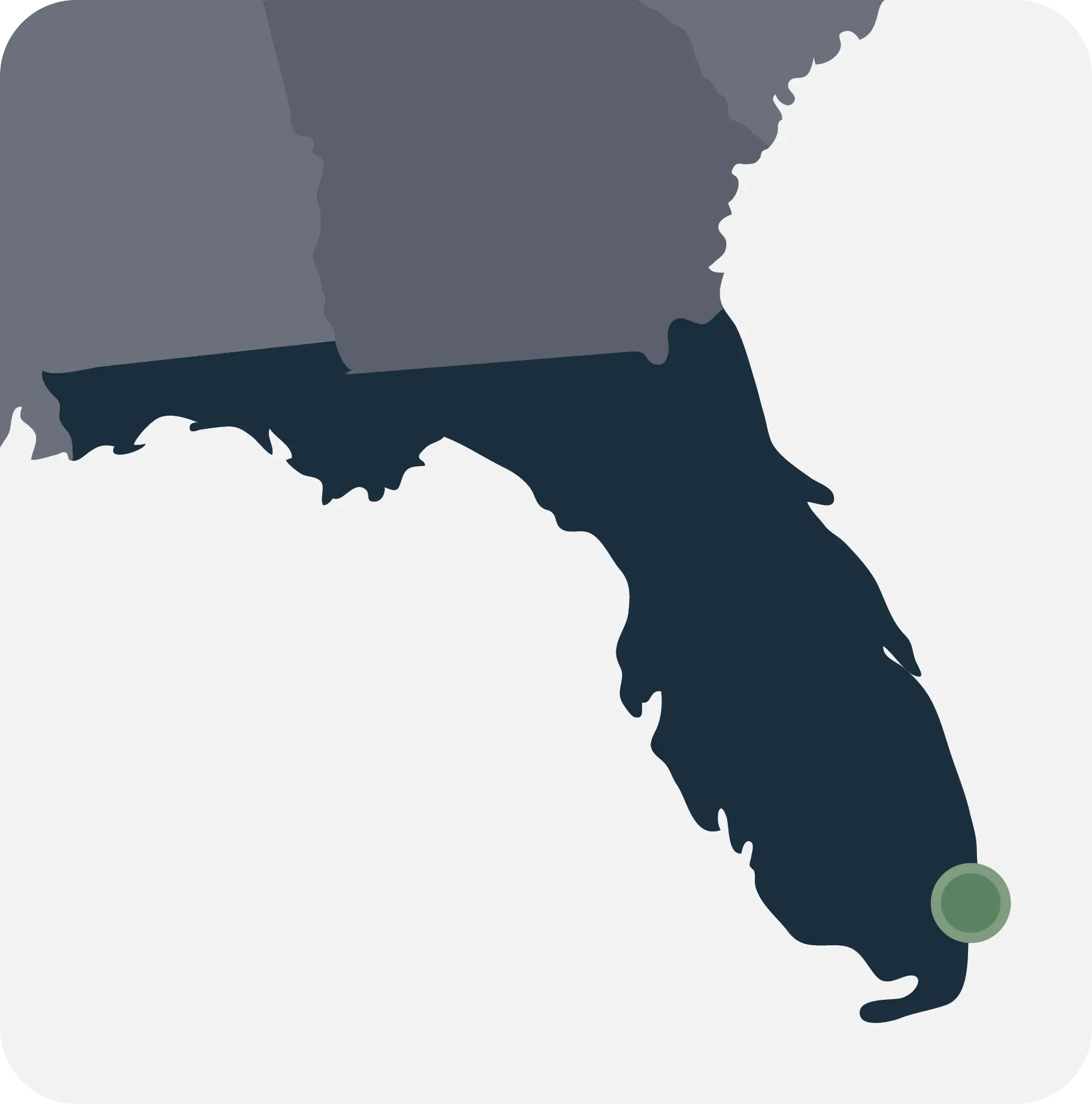
Location is another major factor that directly affects shipping cost and delivery times, especially for businesses expanding nationally or importing through coastal gateways. During consultations, I often walk clients through questions that help them vet providers thoroughly, such as how accuracy is measured, what SLAs look like, and how scalability is handled during peak periods.
The right partner should give you confidence from the first conversation. Read more here.

Transitioning into a new warehouse can feel overwhelming, especially for companies moving out of an in-house operation for the first time. Over the years, we’ve built a structured onboarding flow that removes the uncertainty and ensures a smooth start.
It begins with a discovery phase where we map your SKUs, order patterns, special handling needs, and storage requirements so we can create a customized fulfillment plan. Then our team sets up your profile in the WMS and walks you through each integration step to make sure your platforms communicate cleanly with ours.
Once integrations are tested, we schedule inbound shipments and coordinate the physical transition of your inventory into the facility. The final stage is a controlled go-live, where we process your first batch of orders while monitoring for any adjustments needed in packing, routing, or product identification.
Within a short period, businesses usually feel the relief of handing off fulfillment to a team built to run it reliably.
One of the most rewarding parts of this industry is seeing how quickly businesses transform once they offload their operational burdens. I remember working with a fast-growing ecommerce brand that started with a small storage room behind their office.
Within a year, they were drowning in backorders, mislabeled SKUs, and shipping delays. After moving into our 3pl warehouse storage environment, they not only regained control over inventory accuracy but also cut their shipping times in half.
Another client in the nutraceutical space needed secure, climate-controlled storage and tighter compliance protocols than their small facility could support. By shifting into our FTZ-enabled warehouse, they gained full regulatory protection and reduced their landed costs on imported materials.
I’ve seen similar stories in apparel, electronics, and consumer goods, where improved accuracy and faster fulfillment led to higher customer satisfaction and repeat sales. These real-world examples show how outsourcing storage can ignite growth across multiple areas of a business.
Whenever businesses evaluate logistics partners, I make sure they understand the distinctions between 3PL and 4PL services. A 3PL handles storage, fulfillment, and operational logistics, while a 4PL usually takes on the strategic orchestration of multiple logistics providers.
Most companies don’t need a 4PL until they reach extremely high complexity or international scale. Managing your own warehouse may seem attractive at first, but it requires significant equipment purchases, long-term leases, and the responsibility of training and retaining warehouse staff.
In contrast, 3pl warehouse storage gives businesses access to established systems, experienced personnel, and scalable space without the heavy overhead. The decision often comes down to whether a company wants to invest capital into logistics or reinvest it into growth.
For many, the efficiency and cost control of a 3PL create a competitive advantage the moment they make the switch. Read more here.
When businesses first reach out to us, they typically want to know the ideal time to move into 3pl warehouse storage, and in most cases, the answer is whenever their current setup slows down growth. Many companies make the transition once they hit around 100 monthly orders, while others wait until they run out of space or struggle with labor costs.
Another common question is whether they will lose visibility or control over their products by outsourcing. In my experience, the opposite happens; with real-time inventory tracking and automated reporting, clients gain more visibility than they ever had internally.
Companies also ask about supporting both ecommerce and B2B orders from the same inventory, which our system handles seamlessly. Businesses want predictable costs, stable accuracy, and a partner that understands their operational goals, and a well-run 3PL offers all of that in one unified solution.
After three and a half decades in the logistics world, I’ve seen firsthand how much stronger and more efficient companies become once they stop trying to carry the weight of the entire supply chain alone. With 3pl warehouse storage, businesses immediately gain scalable space, experienced labor, advanced technology, and transportation advantages that would take years to build internally.
They reduce their overhead, decrease fulfillment errors, and improve delivery speed — all while redirecting their time toward growth-driven work. The right 3PL partner does far more than store pallets; they protect your margins, elevate your customer experience, and help you navigate an unpredictable marketplace with confidence.
At Tri-Link FTZ, we’ve built our reputation around supporting businesses at every stage of their supply chain journey, and we remain committed to providing the accuracy, transparency, and reliability companies depend on. For any business looking to strengthen its operations, partnering with an experienced 3PL is one of the smartest steps forward.
Share this article