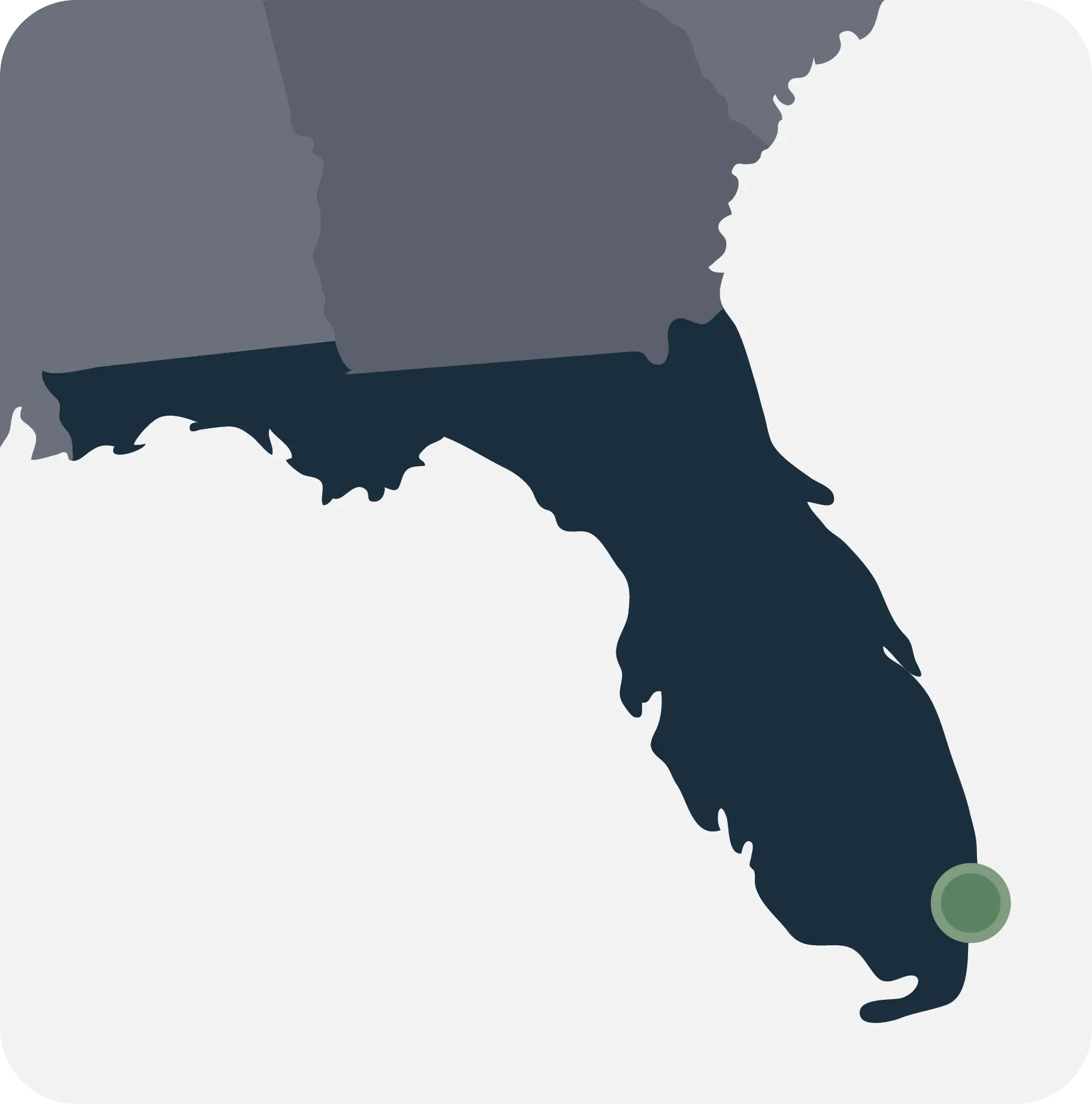
FTZ logistics refers to the use of Foreign Trade Zones (FTZs) to move, store, and handle imported or exported goods within the United States while deferring or eliminating customs duties. An FTZ is legally considered outside U.S. customs territory, even though it’s physically located within the country.
This setup allows businesses to manage products, delay duties, and avoid unnecessary costs until goods officially enter the U.S. market. At Tri-Link FTZ, we’ve worked with manufacturers, importers, and ecommerce brands to help them streamline global supply chains using FTZ logistics for over three decades.
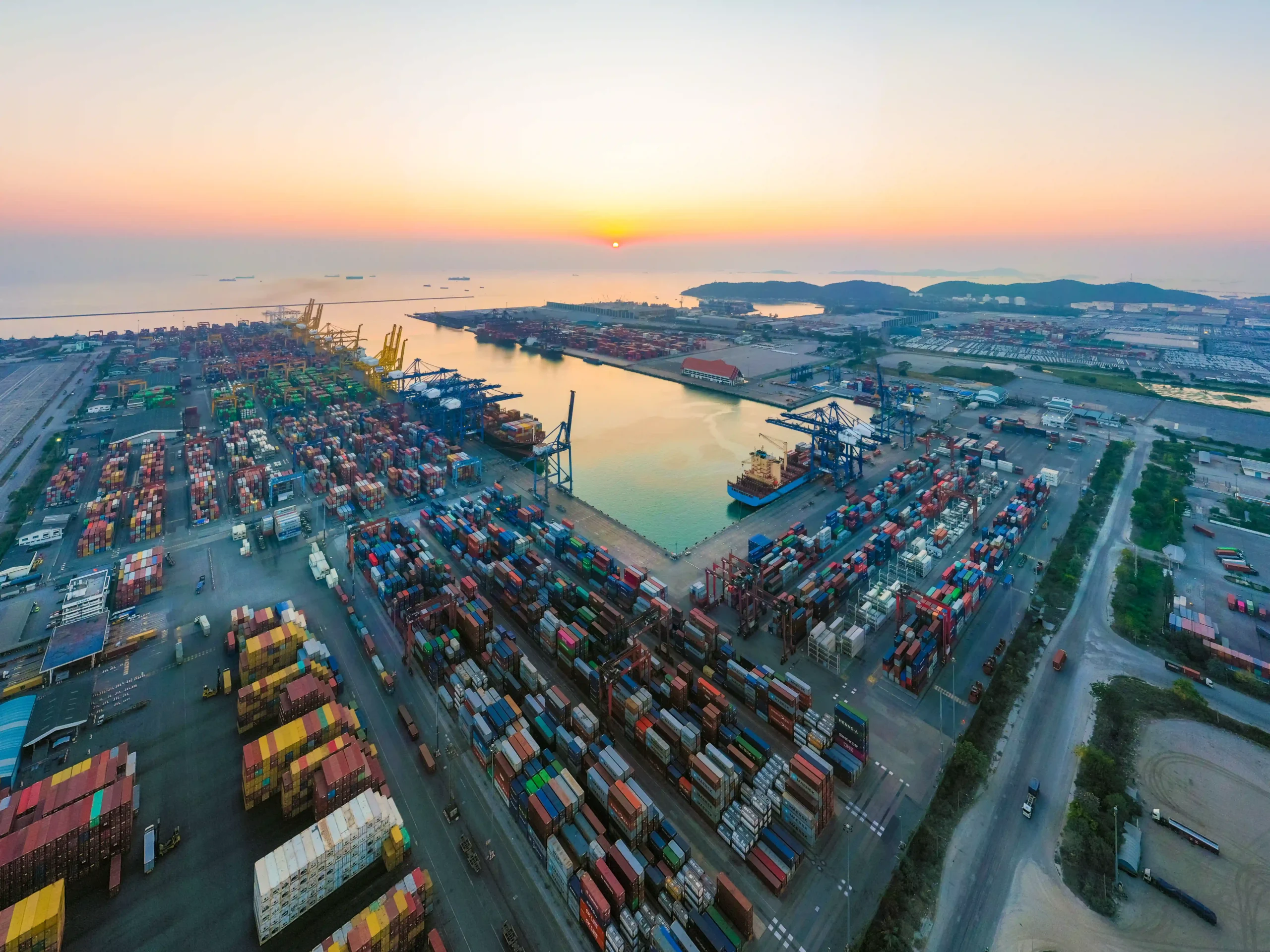
I’ve seen FTZ logistics change the game for countless clients. Once goods arrive at our FTZ facility, they’re held without triggering import duties.
That means a client can store, inspect, assemble, or even repackage goods—often for months—without paying anything to U.S. Customs. If the goods are exported again, they may never incur a duty at all.
When goods do enter the U.S. market, that’s when duties apply, and even then, the business often has the choice of using the tariff rate from when the goods entered the zone or the rate when they leave. This flexibility saves serious money, especially when markets shift. FTZ logistics is particularly effective when used in partnership with a knowledgeable third-party logistics provider, like us at Tri-Link FTZ, who understands how to operate these zones legally and efficiently.
One of the main reasons companies come to us is for cost reduction. With FTZ logistics, businesses can delay or reduce customs duties, saving working capital.
But the benefits don’t stop there. There’s also relief from inverted tariffs—a situation where the duty on a component is higher than the duty on the finished good.
With FTZ logistics, you can assemble the finished product within the zone and only pay the lower rate. You also get to skip inventory taxes on foreign goods held in the FTZ, and there are no duties on waste, scrap, or damaged products that never enter U.S. commerce.
Add in customs duty exemptions on FTZ-to-FTZ transfers, and you start to see how powerful this can be for long-term supply chain optimization. Read more here.
We’ve worked with a wide range of industries, and I can tell you from experience that FTZ logistics is not a one-size-fits-all solution—it’s better. Electronics companies benefit because their parts and components often carry high import duties, but assembling them in an FTZ lowers those costs.
Pharmaceutical firms use our FTZ warehouses for secure storage and controlled testing. Apparel and consumer goods brands love the flexibility to repackage seasonal inventory without duty penalties. And ecommerce companies?
They thrive here. When a product isn’t sold yet, storing it in an FTZ means zero duty until that moment.
FTZ logistics also works wonders for companies targeting global expansion, since they can ship internationally from within the zone, duty-free.
A lot of people ask me, “What’s the difference between a regular warehouse and your FTZ facility?” The answer is regulation and opportunity. In a standard warehouse, imported goods are dutiable immediately.
But inside an FTZ, we get breathing room. There’s no requirement to post a customs bond, and the goods can stay there indefinitely.
Regular warehouses don’t offer that. Plus, FTZ facilities allow processing activities like assembly, kitting, testing, and relabeling without additional duties. What we offer at Tri-Link FTZ goes way beyond traditional storage—it’s an ecosystem for supply chain control.
If you’re wondering how to set this up, don’t worry—it’s not as complicated as it seems when you have the right partner. First, identify your high-tariff or globally sourced products. Then, determine if a General Purpose Zone or Subzone is best for your operations.
At Tri-Link FTZ, we help clients file the necessary applications with the FTZ Board and navigate Customs and Border Protection (CBP) requirements. We also install compliance software and train internal teams on recordkeeping and tracking.
FTZ logistics isn’t just about location—it’s about integration into your existing supply chain strategy, and we guide clients through every step.
Operating within an FTZ isn’t a free-for-all. CBP expects detailed inventory tracking, electronic filing, and total transparency.
We conduct regular internal audits and support our clients in preparing for Customs inspections. You only need to file customs entry documents when goods leave the zone for U.S. consumption, but accuracy is crucial.
At Tri-Link, we also help clients maintain compliance with the FTZ Board’s annual reporting requirements. If you plan to do manufacturing or assembly, you’ll need special FTZ Board approval—which we also help prepare.
Our role is to make compliance seamless so you can focus on operations.
Over the years, we’ve helped our clients unlock major savings through FTZ logistics. One apparel company saved 22% in customs duties by repackaging imported goods seasonally in our FTZ.
Another ecommerce brand reduced inventory carrying costs by 30% by deferring duties until after purchase. We’ve also seen clients improve lead times by integrating FTZ logistics with just-in-time inventory strategies.
Beyond cost, FTZs give you flexibility—especially during international trade disruptions or tariff spikes. You’re not just cutting costs; you’re gaining agility and control.
When it comes to choosing an FTZ logistics partner, not all providers are created equal. After 35 years in this industry, I’ve learned that experience matters just as much as infrastructure.
You want a provider who understands the ins and outs of FTZ operations—from compliance reporting to real-time inventory tracking. At Tri-Link FTZ, we’ve built our service model around providing that level of reliability.
Our facilities are located near major ports of entry, and our team is trained in Customs compliance, product classification, and FTZ system software. We also offer advanced IT integration, so your ERP system can communicate directly with our FTZ inventory controls.
This ensures seamless tracking, fewer errors, and easier audit prep. Most importantly, we serve as a strategic partner, not just a vendor.
We work with clients to evaluate their supply chain, identify FTZ-qualified products, and implement workflows that match their business goals. Whether you’re a Fortune 500 company or a fast-growing ecommerce brand, a good FTZ provider should feel like an extension of your operations team.
A common misconception is that FTZ logistics is only for big manufacturers or B2B supply chains. That couldn’t be further from the truth.
In fact, some of our fastest-growing clients are ecommerce businesses. These companies are importing components, assembling kits, customizing packaging, and shipping to consumers all over the world—all from inside our FTZ.
Because they don’t pay duties until the products are sold and shipped into U.S. commerce, they can keep costs down and adapt more quickly to customer demand. One of our ecommerce clients recently used our FTZ to launch a limited-edition holiday collection.
They brought in imported items, packaged them in branded gift boxes, and stored them until the holiday rush. Because the inventory wasn’t dutiable until it shipped, they kept cash flow intact during a critical sales period.
That’s the kind of flexibility FTZ logistics can bring to direct-to-consumer brands. Read more here.
Let’s clear up some misunderstandings while we’re at it. First, no—you don’t need to be a billion-dollar corporation to benefit from FTZ logistics.
We’ve worked with small and mid-size businesses that have realized huge returns just by shifting their warehouse operations into the zone. Second, it’s not too complex.
While there are compliance requirements, a seasoned provider handles most of the paperwork and setup for you. Third, FTZs are not the same as bonded warehouses.
Bonded warehouses require duty upon withdrawal and often come with tighter government controls. FTZs are more flexible, and duties can be deferred indefinitely or avoided altogether if the product is re-exported.
Another myth? That you can’t manufacture or assemble in an FTZ.
You absolutely can—with the proper FTZ Board approval. We help companies with that process all the time, especially those customizing products before export or retail sale.
These are just a few examples of how FTZ logistics is more accessible, flexible, and strategic than people often think.
At Tri-Link FTZ, we’ve spent decades helping companies turn complex global supply chains into streamlined, cost-effective ecosystems. FTZ logistics is more than just a customs tool—it’s a long-term strategy for managing duties, improving efficiency, and creating flexibility across borders.
When disruptions hit or tariffs change overnight, our clients don’t panic—they pivot, because they’ve built that adaptability into their operations. If you’re in import/export, ecommerce, or any industry that deals with global goods movement, it’s time to seriously consider FTZ logistics.
Not only can it help protect your bottom line, but it can also position you for sustainable growth. Reach out to us at Tri-Link FTZ—we’ll show you how to make it work for your business, just like we’ve done for others over the last 35 years.
Share this article